
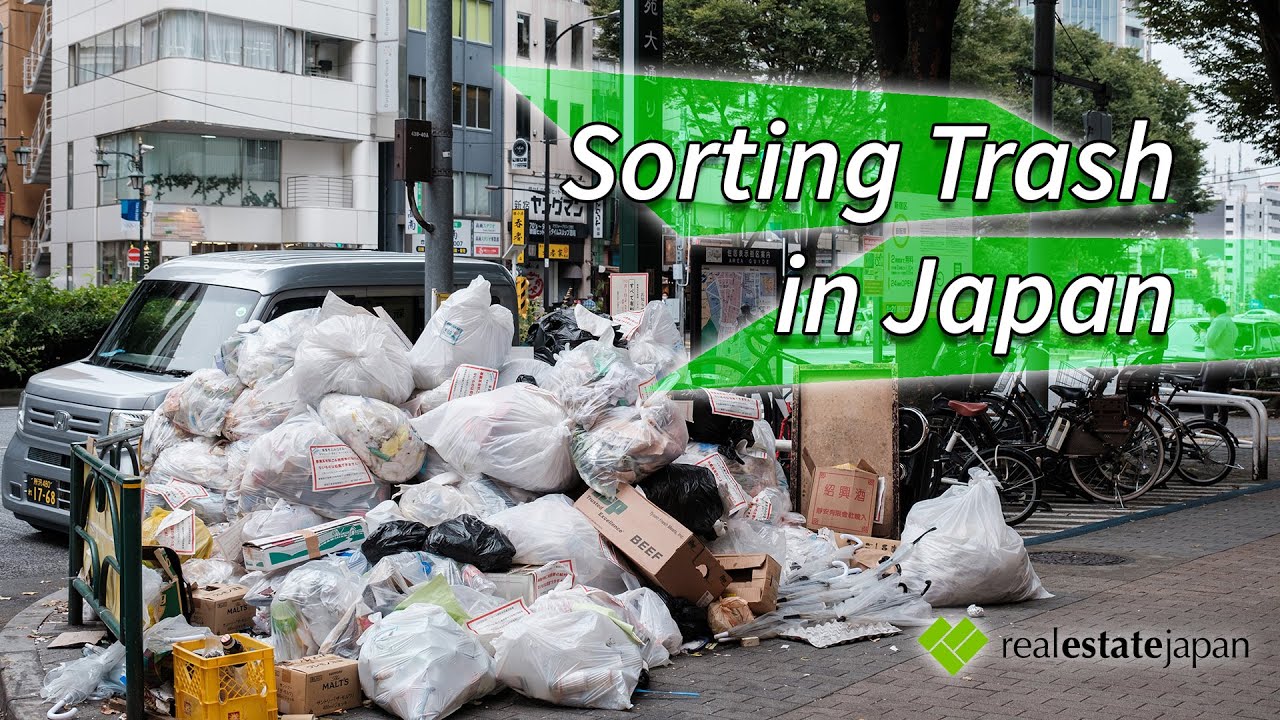
You might have read about the elaborate waste sorting systems in Japan before, and they’re all true. The country has devised systems that sort envelopes from regular paper documents and even separate juice boxes from large cardboard boxes. We say “systems” in plural because the rules for sorting your trash varies from one place to another. The Japanese culture of sorting trash might surprise anyone who may be more accustomed to a biodegradable and non-biodegradable system. Japan takes this further by separating trash according to its burnable and recyclable qualities. For anyone who may have found it hard to keep up with just only 2 waste categories, they’ll be in for a treat with the recycling system of Japan. If you’re about to live in Japan as a foreigner, keep reading to alleviate any doubts you may have about sorting your trash!
Japan takes recycling and garbage separation very seriously and it can be one of the most daunting and confusing things for a newcomer. In this guide, we’ll do our best to help you make sense of it!The specific rules of garbage separation depend on where you live. It’s either decided by the city, or by the individual ward if you live in a large city. Most cities have an English website where they give the specific rules and you may be given the information when you first register with the local government.Anyone who has lived in Japan for an extended period of time can attest to this – taking out the trash is a complicated process, to say the least. With so many rules and classification, learning how to sort your garbage can be intimidating for the newly initiated. But we’re here to demystify the process – read on for our basic guide to garbage disposal in Japan.
Collection days and the rules for separation of trash by type will vary depending on the area in which you live. For detailed information, please ask your landlord, neighbors or the City/Ward office, and follow the rules when disposing of trash. For example, Kyoto city requires that "household refuse" (garbage/plastic items/paper items) and "recyclable refuse" (aluminum cans/glass bottles/PET bottles) put out for collection be placed in specially designated bags. These bags can be purchased at convenience stores and supermarkets in Kyoto City. To dispose of large items such as furniture or bedding (for a fee), please contact the Kyoto City Large Garbage Collection Center for collection at 0120-100-530 or 0570-000-247 for cell phones.please fel free to contact if you are new and confuse about trash schedule
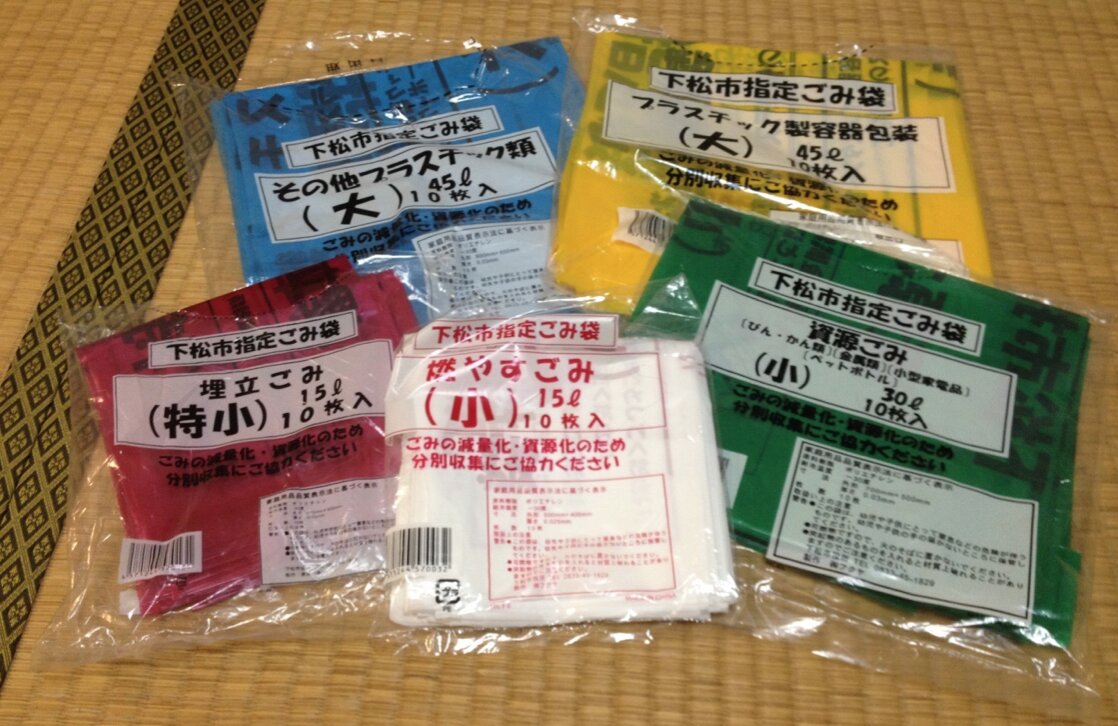
When disposing of burnable waste, make sure you use a proper garbage bag.Designated garbage bags are not required across kyoto 23 wards. So a reasonably sturdy plastic bag (transparent or semi-transparent) is sufficient.Moreover, you can use plastic garbage bags of up to 45 liters. These are available at 100-yen shops and supermarkets. It's also possible to reuse a supermarket shopping bag.Areas outside of Tokyo's 23 wards, such as Chofu or Machida city, require designated garbage bags (see photo above). They are sold at large retailers and convenience stores. The price differs depending on size but generally ranges from 80 yen to 800 yen for a pack of ten.Recently, municipalities in the Kansai and Kyushu regions have adopted a policy of using designated garbage bags. Please be aware that your garbage will not be collected unless you use these bags.
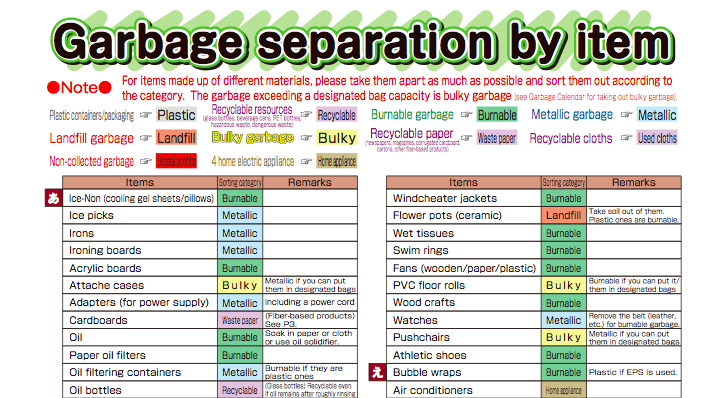 1. Bags
When preparing your garbage for collection, you should check with your local neighborhood/ward/district to determine which garbage bags must be used. You can probably also find these bags at your nearest convenience store or supermarket.
1. Bags
When preparing your garbage for collection, you should check with your local neighborhood/ward/district to determine which garbage bags must be used. You can probably also find these bags at your nearest convenience store or supermarket.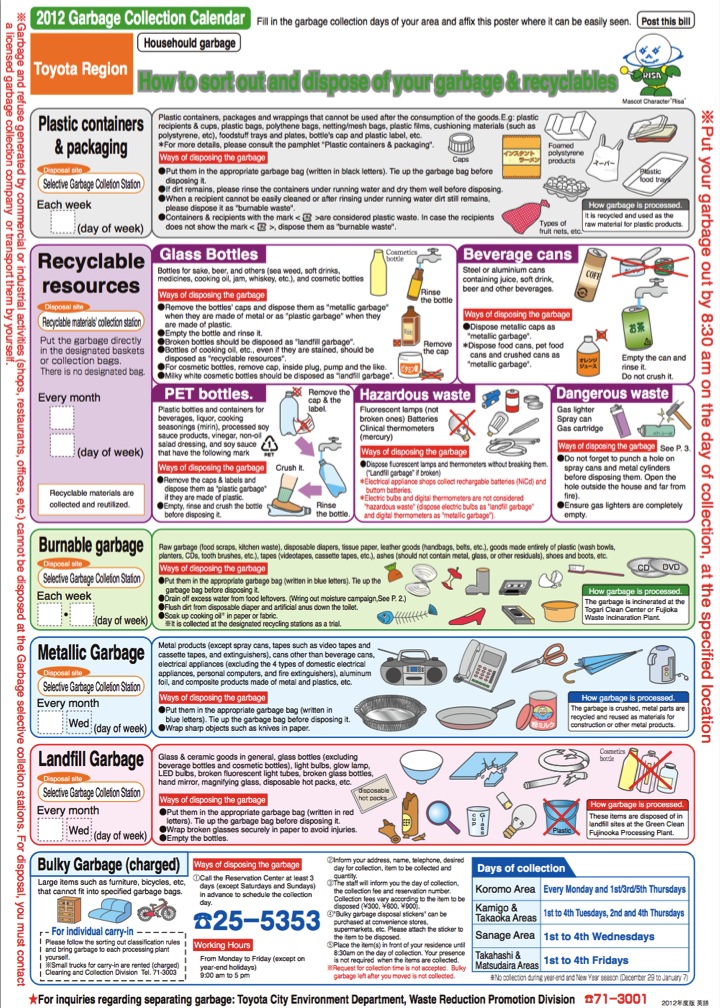 Put all of these together in a garbage bag specifically for noncombustibles. Items like a Styrofoam food container that have food residue on it should be rinsed or cleaned off before being put in the garbage bag.
Recyclables
Put all of these together in a garbage bag specifically for noncombustibles. Items like a Styrofoam food container that have food residue on it should be rinsed or cleaned off before being put in the garbage bag.
Recyclables
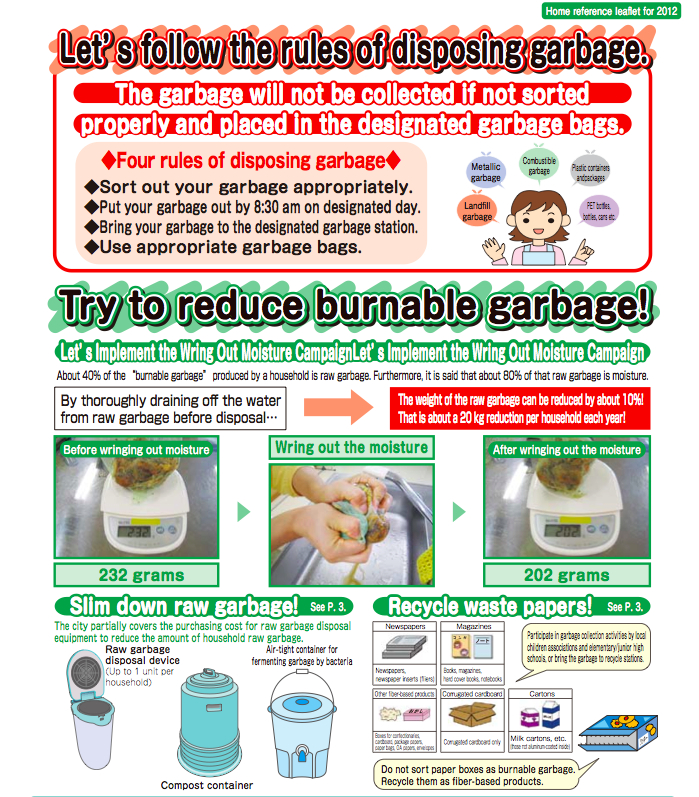
As you can see, garbage disposal isn't the easiest walk in the park, but something you'll get used to after some time. If you have any questions that haven't been answered in this guide, please leave a comment and I will add the answer. I hope this has been helpful and enjoy your life in Japan.